Artist Statement
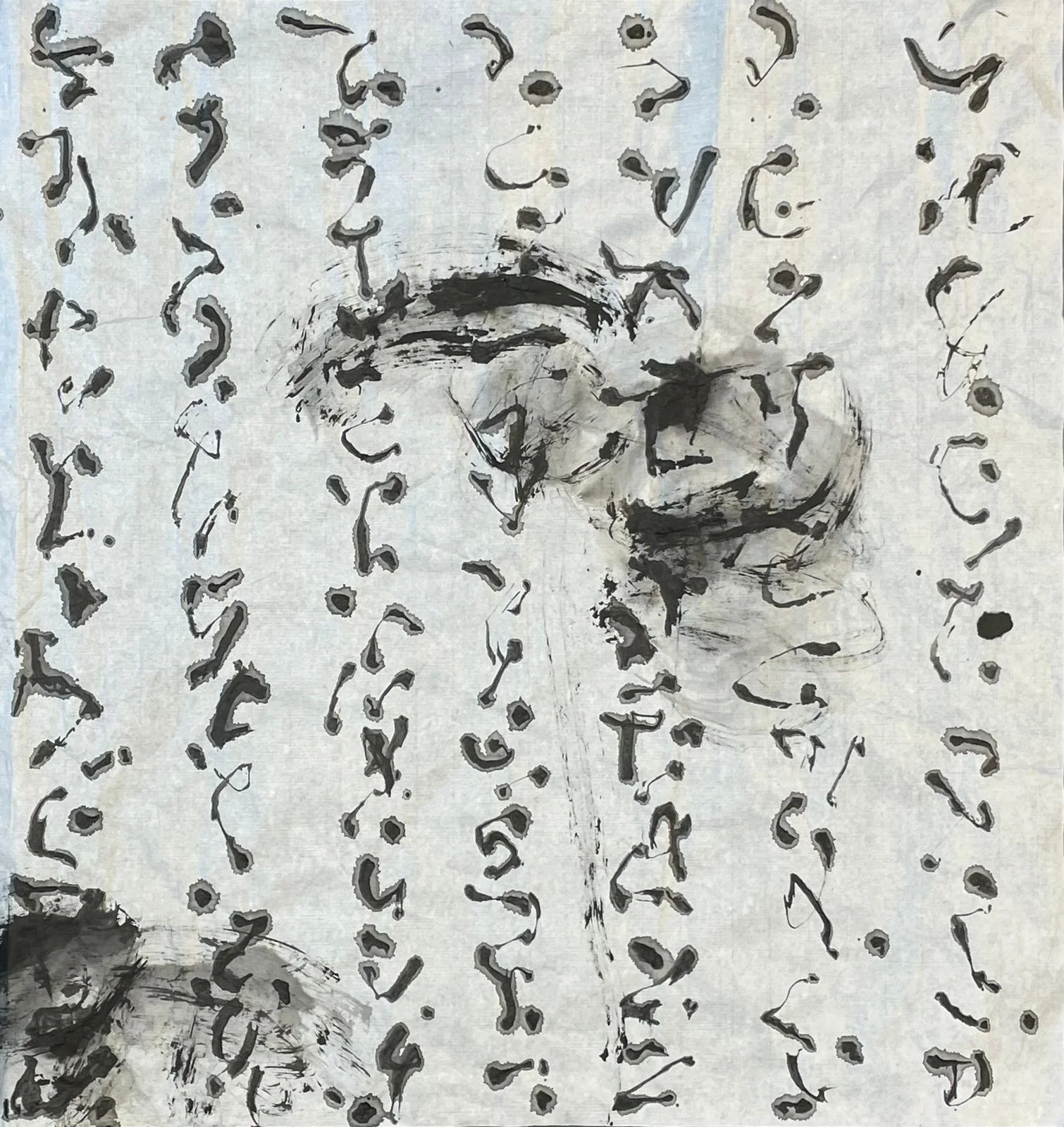
Chinese ink painting is one of the most ancient medium for artistic creation. Soot the basis of ink was used in artistic wall paintings in caves. The formal constraints associated with this medium and the practice of Xie Yi attracted me to develop my own explorations. In some works I abandon the brush and focus on the balance between ink, paper and water as tools used to create mental landscapes. Overall, working with ink is close to sculpture. Ink carves space out and the remaining space in between – the Japanese concept of ‘Ma”- creates the tension that defines my contemporary ink works. There are also parallels between my ink works and photography in their manner of capturing light. Unlike light in western paintings, light is not depicted but ink paintings display light that is not captured by the ink.
The themes, lotus, and dancing ink have dominated my works and are all anchored in South-East Asian cultures.
Migrations from East Asia freed artists from repeating tradition and enable South-East Asian artists including Cheonh Soo Pieng, Chen Wen Hsi and Chua Ek Kay to reinvent classic theme of Chinese painting with adoption of local motifs such as vanishing old street scenes, banana trees and lotuses. The latter occupies a central position in my works. The symbolic significance of the Lotus in Asian cultures is tantalizing. Lotuses leaves and stalks offer an immense field of pictorial exploration that are both joyful and convey the bountiful lush nature of South-East Asia.
In the faculty of design in Bandung several artists including AhmaSadali, A.D. Pirous, and Haryadi Suadi explored calligraphic abstraction evolving ideas around Islamic spirituality. Similarly, calligraphy developed towards abstraction in Japan with Toko Shinoda, Yuichi Inoue and Shiryu Morita and in China and Taiwan with artists such as Wang Donglin and Chen Ting Shi. In Singapore, Chua Ek Kay furthered this evolution by including calligraphic elements in his lotus and grass series. In this trajectory I have developed an imaginary cursive calligraphy “dancing ink” in my “Letters to Singapore”. These are written while I am away and longing to return to Singapore and express emotions as found in personal correspondence with family and friends.
More recently two new series of works emerged, the stupas and the walls of memories. The stupa series started with a visit to Sanchi, the oldest Buddhist site in India with three remarkable stupas imposing with their spirituality in the wilderness of these dry regions. I used a new technique that abandoned the brush and works using layers of ink to create a suffuse light conveying the spirituality of these monuments.
The walls of memories are inspired by heritage buildings in South-East Asia, particularly Rangoon, Singapore and Penang. The layering technique is used here to make the viewer experience time in action. Looking at these ancient dwellings placed in a glowing dark deep ink we hear whispers from the past.
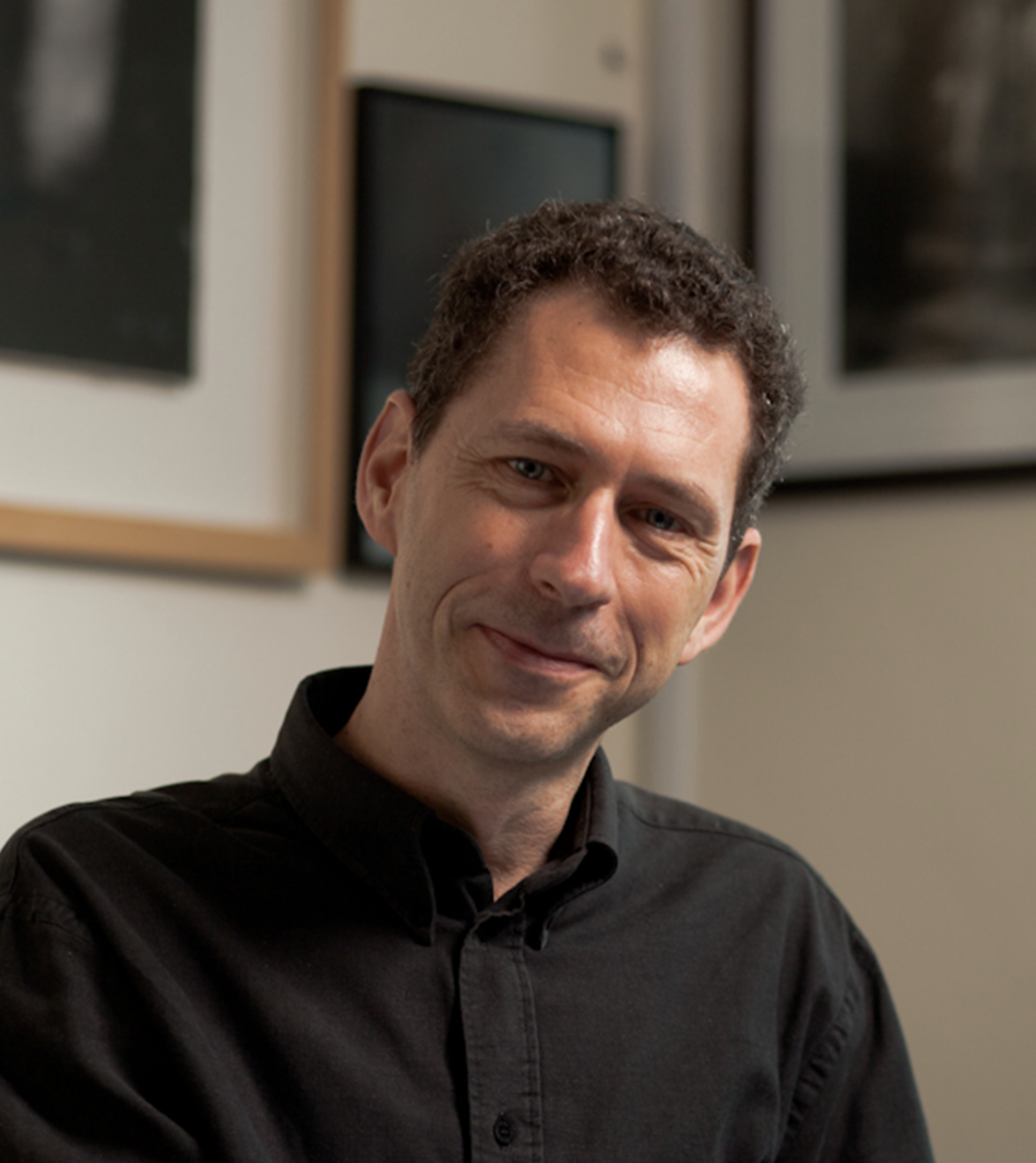
FRÉDÉRIC BERGERCARDI
1995 PhD in Biology, University of Lyon
Since 2014 Austrian Academy of Sciences, Leading a research laboratory in biology.
2007 - 2011 study Xie Yi style ink painting under Mr Lim Kay Hiong. Certificate in Chinese Ink Painting NAFA
Frédéric BergerCardi’s drawings, drawn from the ancient sites of Southeast Asia, embody elegance and quietude, gently evoking a profound sense of calm and stillness.